
Purchase Past Webinars

The HVNL and Safety Management Systems (SMS) – A means to an end or the end

The recent HVNL amendments mandate that operators wishing to participate in the Heavy Vehicle Accreditation Scheme must have an effective and written SMS that complies with the Safety Management System Standard, and this SMS forms the basis of both General Safety Accreditation and Alternate Compliance Accreditation. The NHVR says “An SMS should be proportionate to the size, nature, risk and complexity of the organisation, and aligned with broader business objectives.” Given the heavy vehicle industry is dominated by small operators and owner-drivers, what will this mean in practice? Will small businesses be squeezed out due to complex administration and the potential cost of getting professional advice to navigate it all? Does an entire written SMS even improve safety? How will they be used to determine compliance and when enforcement action is taken – think officer due diligence and establishing non-conformance using hindsight reasoning. Finally, could this be the first step to mandatory operator accreditation to align the NHVR with other transport safety regulators?” Join me, Denise Zumpe from COR Comply and Sam Dekker from Mills Oakley to unpack what is required, how audits will be conducted and what the amendment means for the heavy vehicle industry in practice.

Purchase Webinar »

Beyond Fit to Drive: What the HVNL Amendment Really Means for Business

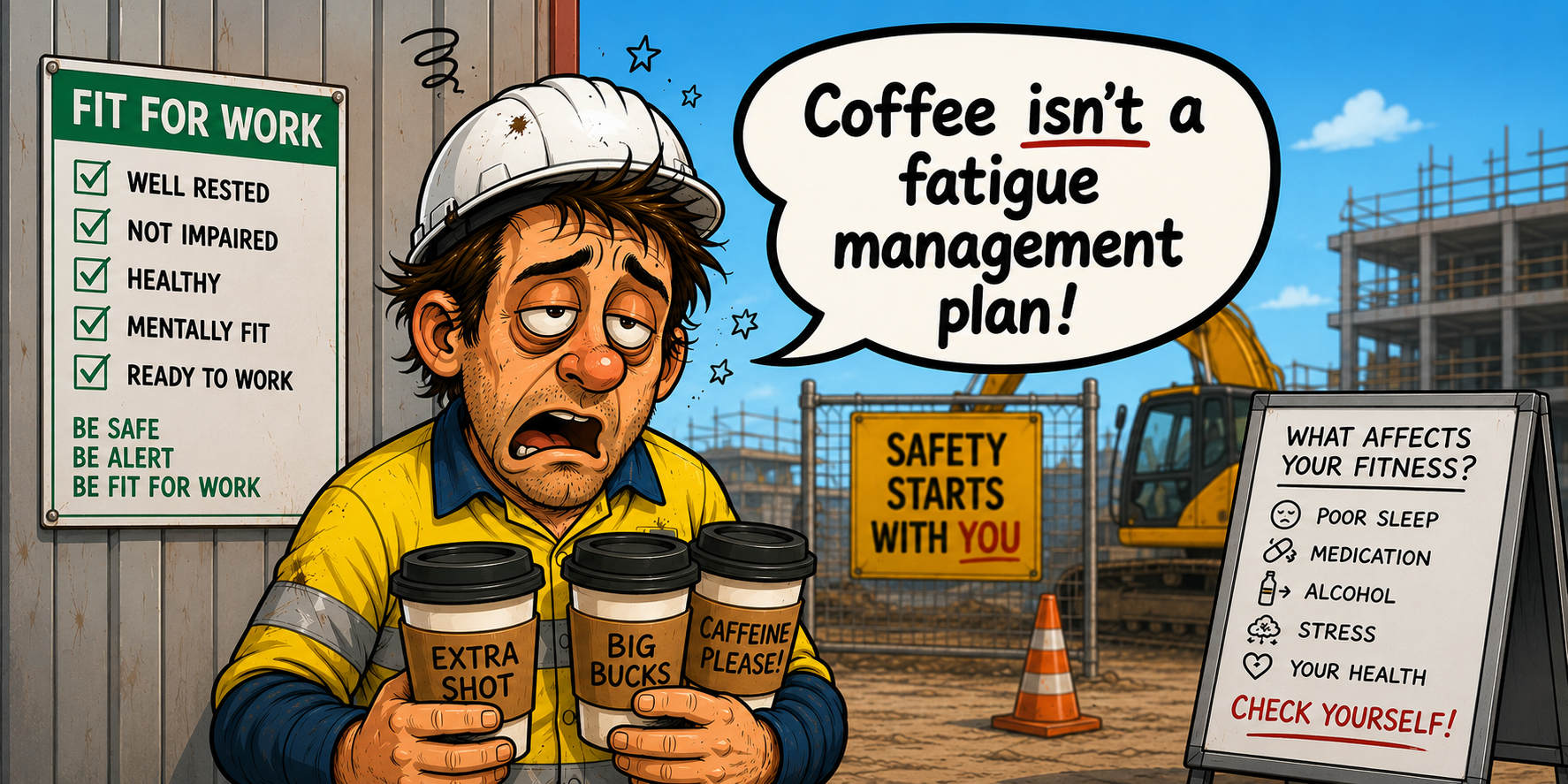
The latest Heavy Vehicle National Law amendment introduces a new unfit-to-drive duty, but the obligations set out in the Master Code extend well beyond the HVNL’s wording with serious practical and legal consequences. In this webinar Sue Bottrell and Sam Dekker will be joined by Denise Zumpe to examine the amendment through both a legal and practical lens. They will explore how the new duty interacts with privacy, employment law, workplace processes and existing fitness-for-work frameworks, including areas where the terminology and expectations do not neatly align. The session will also consider several less-publicised changes, including alternative verdicts, the changing status of improvement notices and their relationship with prosecutions. Recent cases involving driver fitness will be used to test how these issues may play out in practice. This is not a high-level overview of the amendments. It is a closer examination of the technical issues, legal intersections and practical questions that businesses will need to work through.

Purchase Webinar »

Officers Due Diligence and Contractors – Nervous?

The NZ Port of Auckland decision is getting a lot of attention — but are officers drawing the right lessons from it? POAL was decided in the context of an officer of a PCBU exercising due diligence in respect of that PCBU’s own business or undertaking (B&U) and duties owed to its workers. Following that decision, officers may instinctively direct their business to take greater control over contractors and their safety arrangements, believing they have a duty to do so and that this will ensure legal compliance. But is this the best course of action — or can it lead to greater exposure and liability? Applying the principles set out in the POAL matter to the B&U of another PCBU —for example, the B&U of contractors you hire —is a critical mistake— and one that undermines the best safety outcomes and unnecessarily exposes officers to greater legal risk. It may seem straightforward, but we have seen many instances in which the exercise of due diligence extends beyond the boundaries of the PCBU whose B&U is the focus. The questions are: What are officers’ obligations in respect of contractor safety management? How far do they extend? And what should officers actually be doing in this space? Join Sam Dekker (Best Lawyers — One to Watch, Mills Oakley) and me as we unpack officer due diligence in a contractor-safety context — what it requires, what it doesn’t require, and where the boundaries lie.

Purchase Webinar »

Safework NSW v Boral – Damned if you do

The recent decision in SafeWork NSW v Boral Cement Limited (No. 2) throws up so many issues concerning WHS duties of those who hire contractors, not the least of which is the confusion that is rife over principal contractor duties under WHS construction regulations and when they apply vs duties of those who use contractors in non-construction contexts . Spoiler alert! There are some “interesting” judicial comments and bizarre arguments from the regulator! Join Sam Dekker (the 2027 Best Lawyers: Ones to Watch for Occupational Health and Safety Law) as we pick our way through this mammoth decision and its implications.

Purchase Webinar »

Going Out With a Bang!

Yep 2025 is nearly over! In keeping with our practice of putting regulators and judicial decisions under the microscope, Sam Dekker (one of the brightest minds in contractor safety law) and I will be reviewing some of the tastiest contractor safety management cases handed down in 2024/2025. In our last webinar, we will unpack some questionable applications of the law, the current regulatory landscape unfairly (in our opinion) targeting the construction industry, and agreement to enforceable undertakings that may have created some confusion in the understanding of WHS duties in contractor safety management and of course how this all applies to work on the ground. Think Menai, Kellogg, Diona, Mennan, Tattam, Bellabrae, Bermagui. Disclaimer The purchaser is licensed to view or use the information for its intended purpose. It may not be transferred or viewed by those other than the purchaser, except by agreement with ContractorSAFE. The material may not be copied or distributed and is subject to copyright. Any breach of these terms may result in the license being revoked. All products may be downloaded by the purchaser a maximum of twice and time restrictions to view and use may apply.

Purchase Webinar »

The Golden Thread

In this webinar, Alan Tait from Taits Consulting, a leading mining safety consultant, and I will outline a clear pathway to critical risk management in contractor safety management- The Golden Thread. We will look at how this approach aligns with regulatory obligations in mining regulations and general WHS regulations, and how to use the Golden Thread to ensure the safety of both your contractors and your workers from catastrophic injury and legal liability. Disclaimer The purchaser is licensed to view or use the information for its intended purpose. It may not be transferred or viewed by those other than the purchaser, except by agreement with ContractorSAFE. The material may not be copied or distributed and is subject to copyright. Any breach of these terms may result in the license being revoked. All products may be downloaded by the purchaser a maximum of twice and time restrictions to view and use may apply.

Purchase Webinar »